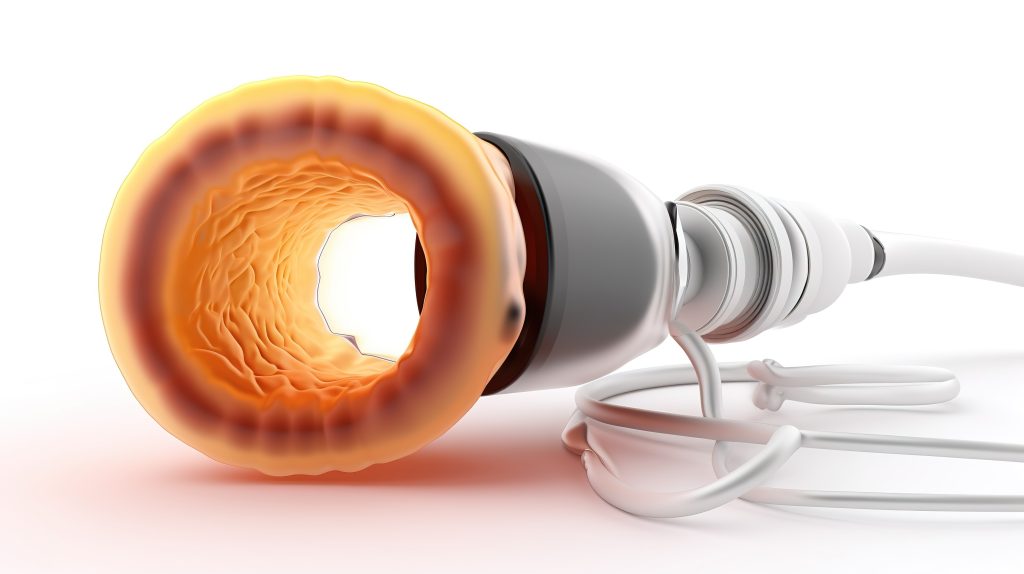
Colon polyps are small growths that develop on the inner lining of the large bowel (colon or rectum). They are common, particularly after the age of 50. Most polyps do not cause symptoms and are not cancerous, but some can gradually develop into bowel cancer if they are not detected and removed.
What causes colon polyps?
Polyps form when cells in the bowel lining grow abnormally. The exact cause is not always known, but the likelihood increases with age. Risk is also higher in people with a personal or family history of bowel polyps or bowel cancer, inflammatory bowel disease, smoking, obesity, or certain inherited conditions.
Having a polyp does not mean that you have cancer. However, identifying the type, size and number of polyps helps determine whether further surveillance is needed.
What are the different types of bowel polyps?
The most common types include:
- Adenomas: These are precancerous polyps. Most never become cancer, but some can change over several years.
- Sessile serrated lesions: These may be flat and more difficult to detect. Some have the potential to become cancerous.
- Hyperplastic polyps: Small hyperplastic polyps, especially in the lower bowel, usually have a very low cancer risk.
- Inflammatory polyps: These can occur in people with inflammatory bowel disease and are generally not precancerous themselves.
Do colon polyps cause symptoms?
Most colon polyps cause no symptoms, which is why bowel cancer screening and colonoscopy are important. When symptoms do occur, they may include:
- blood in or on the bowel motion
- unexplained iron deficiency or anaemia
- a persistent change in bowel habit
- mucus in the stool
- abdominal discomfort, although this is less common.
These symptoms can have many causes other than polyps, but they should be medically assessed.
How are colon polyps detected?
Polyps may be discovered after a positive faecal occult blood test (FOBT or FIT), during investigation of bowel symptoms, or through a surveillance program for someone at increased risk.
Colonoscopy is the most accurate test for examining the lining of the large bowel. It allows the gastroenterologist to identify polyps and, in most cases, remove them during the same procedure.
How are polyps removed?
Small polyps can often be removed using a wire loop called a snare or specialised forceps passed through the colonoscope. Larger or flatter polyps may require advanced techniques, removal in stages, or occasionally surgery.
Removed tissue is sent to a pathology laboratory. The result identifies the type of polyp and whether it contains precancerous or cancerous changes. Polyp removal is an important form of bowel cancer prevention.
Will I need another colonoscopy?
The recommended interval depends on the number, size and pathology of the polyps, how completely they were removed, the quality of the bowel preparation, and your family and medical history. Some people can return to routine bowel screening, while others require a surveillance colonoscopy after a shorter interval.
It is important to follow the interval recommended after your procedure rather than arranging colonoscopies more or less often without clinical advice.
Can colon polyps be prevented?
No strategy prevents every polyp. Maintaining a healthy weight, exercising regularly, avoiding smoking, limiting processed meat and alcohol, and eating a varied diet rich in fibre may support bowel health. Screening remains important even when you feel well and follow a healthy lifestyle.
When should you seek medical advice?
Arrange an assessment if you have visible rectal bleeding, persistent changes in bowel habit, unexplained iron deficiency, weight loss, a strong family history of bowel cancer, or a previous advanced polyp. Do not rely on a screening test alone when symptoms are present.
Dr Abed Azizi provides specialist gastroenterology assessment for patients from Essendon, Moonee Ponds, Keilor and surrounding Melbourne suburbs. Appropriate investigation and follow-up are tailored to each patient’s symptoms, family history and previous results.
The key message
Colon polyps are common and usually do not cause symptoms. Most are benign, but removing precancerous polyps during colonoscopy can prevent bowel cancer from developing. Complete recommended screening and follow-up, and seek medical review if you develop bowel symptoms.
This information is general and does not replace personalised medical advice.