By Dr Abed Azizi | Consultant Gastroenterologist & Hepatologist | GastroHealth, Moonee Ponds, Melbourne
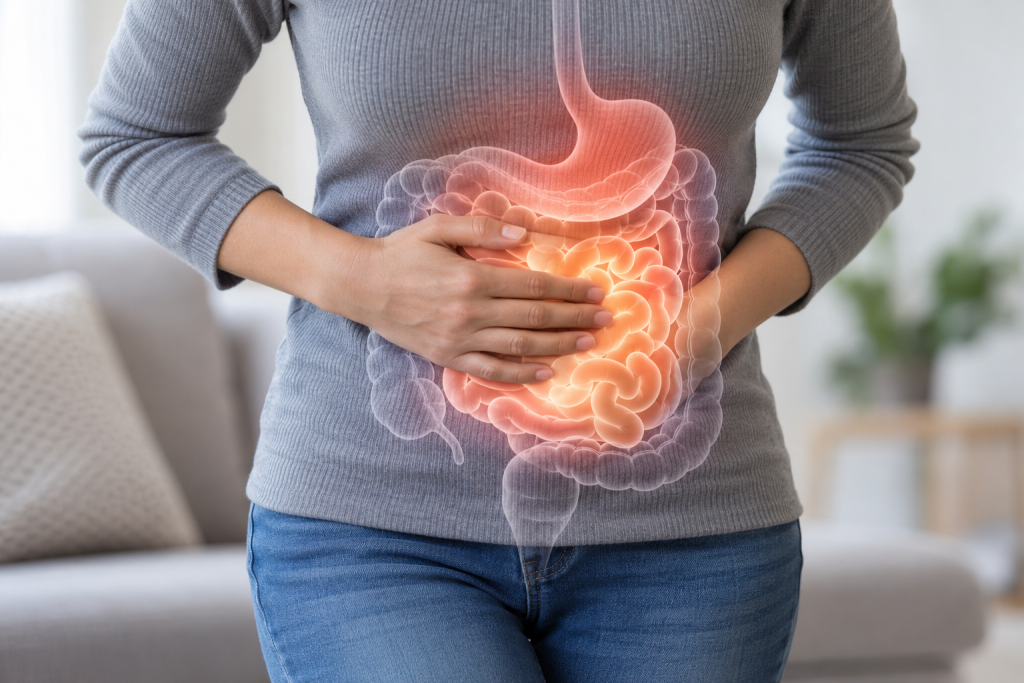
Do you frequently experience abdominal bloating, excessive gas or discomfort after eating? While these symptoms are often associated with irritable bowel syndrome (IBS) or food intolerances, another possible cause is a condition known as Small Intestinal Bacterial Overgrowth (SIBO).
SIBO is a digestive condition that occurs when excessive numbers of bacteria accumulate in the small intestine. It can cause persistent gastrointestinal symptoms and, in some cases, interfere with the normal digestion and absorption of nutrients.
Understanding SIBO, how it is diagnosed and the treatment options available can help patients manage their digestive health more effectively.
What Is SIBO?
The digestive system naturally contains trillions of microorganisms, most of which live in the large intestine (colon). These bacteria play an important role in digestion and maintaining intestinal health.
The small intestine normally contains fewer bacteria than the colon. When excessive bacteria accumulate in the small intestine, they may ferment carbohydrates before they are properly digested and absorbed.
This fermentation produces gases, particularly hydrogen, which can contribute to abdominal bloating, discomfort and changes in bowel habits.
SIBO is often associated with conditions that interfere with the normal movement or anatomy of the small intestine.
What Are the Symptoms of SIBO?
The symptoms of SIBO vary between individuals and may range from mild discomfort to significant digestive disturbance.
Common symptoms include:
- Abdominal bloating: A feeling of fullness or swelling, particularly after meals.
- Excessive gas: Increased flatulence, abdominal rumbling or burping.
- Abdominal pain: Cramping or discomfort, often associated with eating.
- Diarrhoea: Frequent loose bowel motions.
- Constipation: Particularly in patients with excessive methane production.
- Abdominal distension: Visible swelling or enlargement of the abdomen.
- Nausea: Feeling sick or uncomfortable after eating.
- Early fullness: Feeling full after consuming only small amounts of food.
In more significant cases, SIBO can contribute to nutritional deficiencies, including vitamin B12 deficiency, unexplained weight loss and malabsorption.
Importantly, these symptoms are not specific to SIBO and can occur with several other gastrointestinal conditions.
What Causes SIBO?
The small intestine has natural mechanisms that help prevent excessive bacterial accumulation. One important mechanism is intestinal motility, which moves food and bacteria through the digestive tract.
When these protective mechanisms are disrupted, bacterial overgrowth may occur.
Several conditions can increase the risk of developing SIBO:
1. Reduced intestinal motility
Conditions such as diabetes, certain neurological disorders and intestinal motility disorders may slow the movement of intestinal contents, allowing bacteria to accumulate.
2. Previous abdominal surgery
Surgery involving the stomach or intestines can alter normal intestinal anatomy and increase the risk of bacterial overgrowth.
3. Irritable bowel syndrome (IBS)
SIBO and IBS can produce similar symptoms, including bloating, abdominal pain and altered bowel habits. Some patients with IBS may also have SIBO, although the relationship between these conditions remains an area of ongoing research.
4. Other digestive conditions
Coeliac disease, Crohn’s disease and certain other gastrointestinal disorders can be associated with an increased risk of SIBO.
5. Certain medications
Medications that slow intestinal movement may contribute to bacterial overgrowth. The association between long-term acid suppression and SIBO is less certain.
Sometimes, no clear underlying cause is identified.
How Is SIBO Diagnosed?
Diagnosing SIBO requires a careful assessment of symptoms, medical history and potential underlying conditions.
Because SIBO symptoms overlap with many other digestive disorders, testing should be considered in the context of the patient’s overall clinical presentation.
Hydrogen and Methane Breath Testing
One commonly used investigation is the hydrogen and methane breath test.
During this non-invasive test, the patient drinks a solution containing a specific sugar, usually glucose or lactulose. Breath samples are then collected at regular intervals to measure gas production.
An early rise in hydrogen may suggest bacterial overgrowth in the small intestine.
Elevated methane levels may suggest a related but distinct condition called Intestinal Methanogen Overgrowth (IMO), which is frequently associated with constipation.
Breath testing has limitations and can sometimes produce false-positive or false-negative results. Therefore, results need to be interpreted alongside the patient’s symptoms and clinical history.
Are Other Tests Necessary?
Depending on the symptoms, your gastroenterologist may recommend additional investigations to exclude other causes, such as:
- Coeliac disease blood tests
- Blood tests for nutritional deficiencies
- Stool investigations
- Gastroscopy or colonoscopy when clinically indicated
Not everyone with abdominal bloating requires SIBO testing or an endoscopic examination.
How Is SIBO Treated?
The treatment of SIBO depends on the severity of symptoms, test results and any underlying contributing conditions.
1. Antibiotic Treatment
Antibiotics may be recommended for patients with clinically significant SIBO.
One commonly used antibiotic is rifaximin, which acts primarily within the gastrointestinal tract and has relatively limited absorption into the bloodstream.
A treatment course may help reduce excessive bacterial numbers and improve symptoms such as bloating, abdominal discomfort and diarrhoea.
However, antibiotics are not suitable for every patient with bloating, and treatment should be individualised following medical assessment.
2. Dietary Modification
Dietary changes may help reduce symptoms associated with bacterial fermentation.
Some patients benefit from a temporary low-FODMAP diet, which limits certain fermentable carbohydrates found in foods such as onions, garlic, wheat products, some fruits and certain dairy products.
Although dietary modification can improve symptoms, it does not necessarily eliminate SIBO.
A restrictive diet should not be continued unnecessarily, particularly without appropriate nutritional guidance.
3. Treating the Underlying Cause
Identifying and managing contributing conditions is an important part of treatment.
For example, patients with intestinal motility problems, poorly controlled diabetes or an underlying gastrointestinal disorder may require additional management.
Treating these conditions can help reduce the likelihood of SIBO recurring.
4. Probiotics
Probiotics are frequently marketed for improving gut health, but evidence supporting their routine use in SIBO remains limited.
Some patients report improvement, while others experience increased gas or bloating.
For this reason, probiotics are not routinely recommended as a replacement for appropriate medical treatment.
Can SIBO Come Back After Treatment?
Yes. SIBO can recur, particularly when an underlying condition affecting intestinal motility or anatomy remains present.
Some patients experience long-lasting improvement following treatment, while others develop recurrent symptoms.
If symptoms return, reassessment is important rather than automatically repeating antibiotics.
The aim of treatment is not simply to reduce bacterial numbers but to improve symptoms and address factors contributing to the condition.
Is SIBO the Same as Irritable Bowel Syndrome (IBS)?
SIBO and IBS are different conditions, although they share several symptoms.
IBS is a disorder of gut–brain interaction that commonly causes recurrent abdominal pain associated with altered bowel habits.
SIBO involves an abnormal increase in bacteria within the small intestine.
Some patients may have both conditions, but many people with IBS do not have SIBO.
Distinguishing between these conditions is important because their management may differ.
When Should You See a Gastroenterologist?
If you experience persistent abdominal bloating, excessive gas, abdominal discomfort or changes in bowel habits, seeking a medical assessment may help identify the underlying cause.
You should particularly seek medical advice if your symptoms are associated with:
- Unexplained weight loss
- Persistent or worsening diarrhoea
- Blood in the stool
- Iron deficiency or anaemia
- Persistent vomiting
- Significant abdominal pain
- Symptoms that interfere with your daily activities
These features may indicate conditions other than SIBO that require further investigation.
Frequently Asked Questions About SIBO
Can SIBO cause bloating every day?
Yes. Some patients with SIBO experience daily bloating, particularly after meals. However, persistent bloating is common in many other conditions, including IBS, constipation and food intolerances.
Can SIBO cause constipation?
Constipation can occur, particularly when breath testing demonstrates excessive methane production. This condition is more accurately referred to as intestinal methanogen overgrowth (IMO).
Can SIBO go away without antibiotics?
Symptoms may improve with dietary changes or treatment of an underlying condition. However, confirmed symptomatic SIBO may require antibiotic treatment, depending on the clinical circumstances.
Is SIBO dangerous?
For most patients, SIBO is not life-threatening. However, more severe cases can interfere with nutrient absorption and cause vitamin deficiencies or weight loss.
Does a low-FODMAP diet cure SIBO?
No. A low-FODMAP diet can help manage bloating and other symptoms but has not been established as a cure for bacterial overgrowth.
Do I need a colonoscopy to diagnose SIBO?
No. Colonoscopy is not used to diagnose SIBO. However, it may be recommended if symptoms or other clinical findings suggest a separate condition that requires investigation.
SIBO Assessment and Treatment in Moonee Ponds, Melbourne
At GastroHealth, Dr Abed Azizi, Consultant Gastroenterologist and Hepatologist, provides specialist assessment and management of gastrointestinal symptoms, including persistent bloating, abdominal discomfort, diarrhoea, constipation and suspected small intestinal bacterial overgrowth.
A comprehensive gastrointestinal assessment aims to identify the underlying cause of symptoms and determine whether further investigations or treatment are necessary.
GastroHealth is located in Moonee Ponds, Melbourne, and welcomes patients from Essendon, Ascot Vale, Strathmore, Brunswick, Flemington, Maribyrnong and surrounding suburbs.
Book a Gastroenterology Consultation
If you have been experiencing persistent bloating, unexplained digestive discomfort or ongoing changes in bowel habits, a specialist gastroenterology consultation may help clarify the cause and identify appropriate treatment options.
Visit www.drabedazizi.com.au to learn more about GastroHealth or arrange an appointment.
Medical disclaimer: This article provides general health information and is not a substitute for individual medical advice. Diagnosis and treatment should be discussed with a qualified healthcare professional.
Author: Dr Abed Azizi, Consultant Gastroenterologist and Hepatologist, GastroHealth, Moonee Ponds, Melbourne.