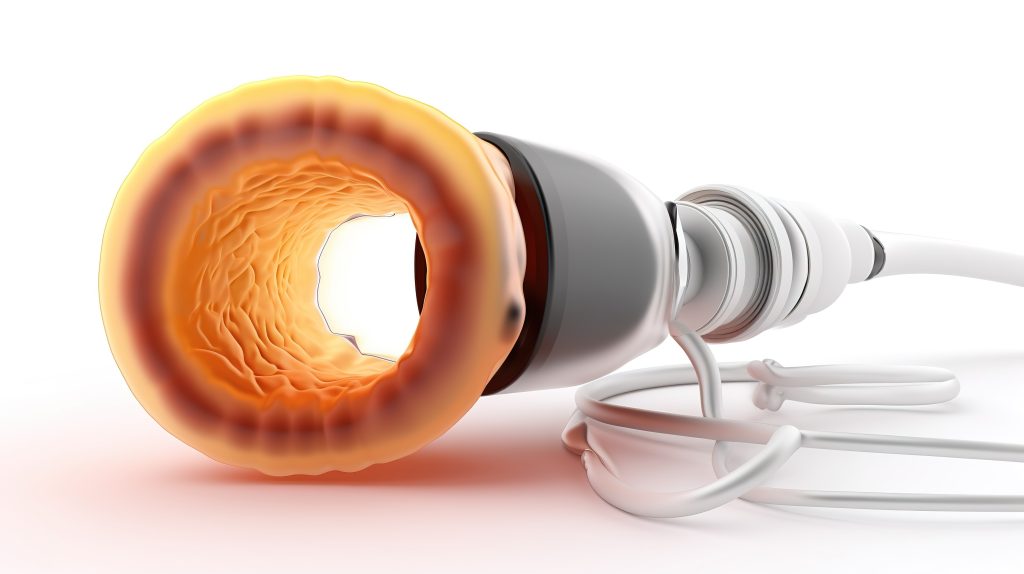
In the realm of modern medicine, the ability to peer inside the human body without invasive surgery has revolutionized diagnosis and treatment. Endoscopy, a minimally invasive procedure, serves as a vital tool in this regard, allowing physicians to examine internal organs, tissues, and cavities with remarkable precision and minimal discomfort to the patient.
What is Endoscopy?
Endoscopy is a medical procedure that involves inserting a thin, flexible tube equipped with a camera and light source (endoscope) into the body to visualize internal structures. The endoscope transmits real-time images to a monitor, enabling the healthcare provider to examine the targeted area closely. Endoscopes come in various types and sizes, each designed for specific organs or regions of the body.
Types of Endoscopy
- Upper Endoscopy (Esophagogastroduodenoscopy or EGD): This procedure involves examining the upper gastrointestinal tract, including the esophagus, stomach, and duodenum. It is commonly used to diagnose conditions such as ulcers, gastroesophageal reflux disease (GERD), and gastrointestinal bleeding.
- Colonoscopy: In a colonoscopy, the physician examines the large intestine (colon) and rectum using a flexible colonoscope. It is a crucial screening tool for detecting colorectal cancer, polyps, and inflammatory bowel disease (IBD).
- Bronchoscopy: Bronchoscopy involves examining the airways (bronchi and lungs) using a bronchoscope. It helps diagnose conditions such as lung cancer, chronic cough, and pulmonary infections.
- Cystoscopy: This procedure allows visualization of the bladder and urethra using a cystoscope. It is used to diagnose bladder cancer, urinary tract infections, and other urinary tract abnormalities.
- Laparoscopy: Although technically not an endoscopy, laparoscopy involves inserting a thin, lighted tube through small incisions in the abdominal wall to visualize and perform surgical procedures within the abdominal cavity. It is commonly used for procedures such as gallbladder removal (laparoscopic cholecystectomy) and appendectomy.
The Endoscopy Procedure
Endoscopy is typically performed in an outpatient setting, such as a hospital or specialized endoscopy center. Before the procedure, patients may receive sedation or anesthesia to ensure comfort throughout the examination. Once prepared, the endoscope is gently inserted through a natural opening, such as the mouth (for upper endoscopy) or anus (for colonoscopy), or through a small incision (as in laparoscopy).
During the procedure, the physician carefully navigates the endoscope through the targeted area, examining the tissues and structures along the way. If necessary, tools can be passed through the endoscope to obtain tissue samples (biopsy) or perform therapeutic interventions, such as removing polyps or stopping bleeding.
The duration of an endoscopic procedure varies depending on the complexity of the examination and any interventions required. After completion, patients are monitored until they recover from sedation or anesthesia and are usually discharged home the same day.
Benefits and Risks
Endoscopy offers several advantages over traditional surgical procedures, including:
- Minimally invasive: Endoscopy eliminates the need for large incisions, reducing trauma to surrounding tissues and minimizing postoperative pain and recovery time.
- Accurate diagnosis: Endoscopic imaging provides detailed views of internal organs, enabling precise diagnosis of various conditions.
- Therapeutic interventions: Endoscopy allows for simultaneous diagnosis and treatment of many gastrointestinal and respiratory conditions, such as polyp removal and stent placement.
Despite its benefits, endoscopy carries some risks, including bleeding, infection, perforation (tearing of the organ wall), and adverse reactions to sedation or anesthesia. However, these complications are rare and can usually be managed effectively by experienced healthcare providers.
Conclusion
Endoscopy has revolutionized the field of medicine, offering a safe and effective means of diagnosing and treating a wide range of conditions affecting the gastrointestinal, respiratory, and urinary systems. By providing direct visualization of internal structures, endoscopy enables healthcare providers to deliver personalized and targeted care, leading to improved patient outcomes and quality of life. As technology continues to advance, the future of endoscopy holds promise for further innovation and refinement, ensuring its continued role as a cornerstone of modern medical practice.