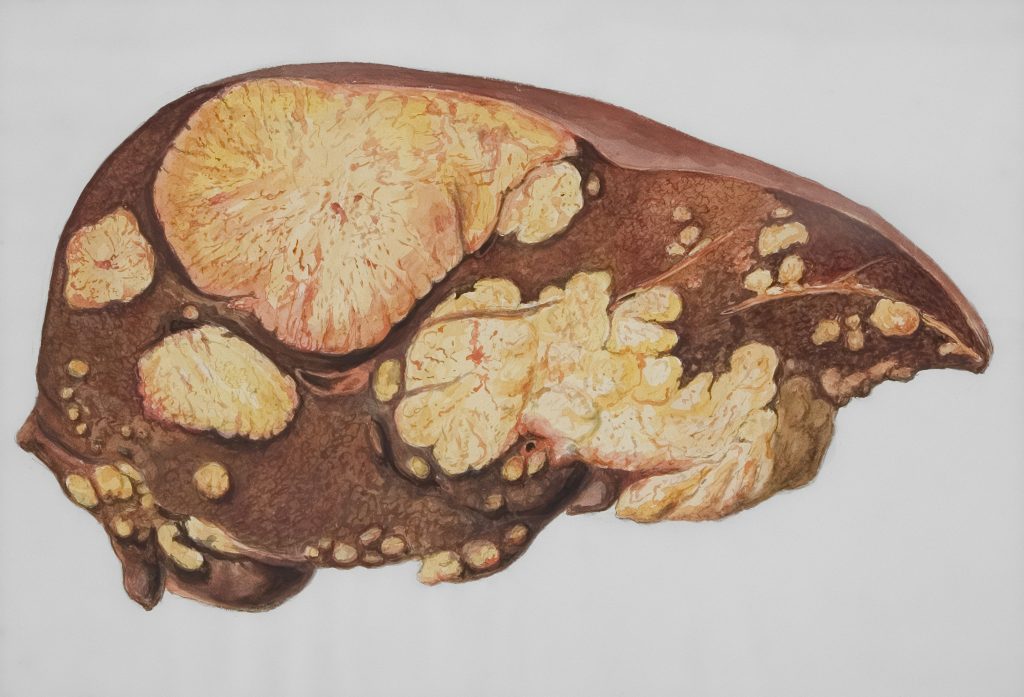
The liver, one of the largest organs in the human body, plays a crucial role in metabolism, detoxification, and digestion. Liver disease encompasses a range of conditions that affect the liver’s structure and function, posing significant health risks if left untreated. From fatty liver disease to hepatitis and cirrhosis, understanding the causes, symptoms, and treatment options is essential for effective management and prevention.
Causes of Liver Disease:
Liver disease can arise from various factors, including viral infections, excessive alcohol consumption, autoimmune disorders, genetic predisposition, and metabolic disorders. Some common causes include:
- Viral Hepatitis: Viral hepatitis, particularly hepatitis B and C, is a leading cause of liver disease worldwide. These viruses can be transmitted through contaminated blood, sexual contact, or from mother to child during childbirth.
- Alcohol: Excessive alcohol consumption can lead to alcoholic liver disease, ranging from fatty liver to alcoholic hepatitis and cirrhosis. Chronic alcohol abuse damages liver cells and impairs their ability to function properly.
- Non-alcoholic Fatty Liver Disease (NAFLD): NAFLD is a condition characterized by the accumulation of fat in the liver, not caused by alcohol consumption. It is often associated with obesity, insulin resistance, and metabolic syndrome.
- Autoimmune Disorders: Conditions like autoimmune hepatitis, primary biliary cholangitis, and primary sclerosing cholangitis involve the immune system mistakenly attacking liver cells, leading to inflammation and damage.
- Genetic Factors: Genetic mutations or inherited conditions such as hemochromatosis, Wilson’s disease, and alpha-1 antitrypsin deficiency can predispose individuals to liver disease.
Symptoms of Liver Disease:
The symptoms of liver disease can vary depending on the underlying cause and the stage of the condition. Some common signs and symptoms include:
- Jaundice: Yellowing of the skin and eyes due to the buildup of bilirubin, a yellow pigment produced by the liver.
- Fatigue: Persistent tiredness and weakness, often accompanied by a lack of energy.
- Abdominal Pain: Discomfort or pain in the upper right portion of the abdomen, where the liver is located.
- Swelling: Swelling in the abdomen (ascites) or legs (edema) due to fluid retention.
- Nausea and Vomiting: Digestive symptoms such as nausea, vomiting, and loss of appetite.
- Easy Bruising and Bleeding: Impaired liver function can affect blood clotting, leading to easy bruising and bleeding.
Diagnosis and Treatment:
Diagnosing liver disease typically involves a combination of medical history review, physical examination, blood tests, imaging studies (such as ultrasound or MRI), and sometimes liver biopsy for definitive diagnosis.
Treatment for liver disease aims to manage symptoms, slow disease progression, and address underlying causes. Depending on the specific condition, treatment options may include:
- Medications: Antiviral drugs for viral hepatitis, immunosuppressants for autoimmune hepatitis, and medications to manage symptoms such as itching and fatigue.
- Lifestyle Changes: Adopting a healthy diet, exercising regularly, avoiding alcohol and certain medications, and managing underlying conditions like obesity and diabetes.
- Liver Transplant: In advanced cases of liver disease, where the liver is severely damaged and cannot function adequately, liver transplantation may be necessary.
- Supportive Therapies: Nutritional support, fluid management, and treatments to alleviate complications such as ascites and hepatic encephalopathy.
Prevention:
Preventing liver disease involves adopting a healthy lifestyle and minimizing risk factors. Strategies for prevention include:
- Moderate Alcohol Consumption: Limiting alcohol intake to reduce the risk of alcoholic liver disease.
- Maintaining a Healthy Weight: Avoiding obesity and adopting a balanced diet rich in fruits, vegetables, and whole grains.
- Vaccination: Getting vaccinated against hepatitis A and B to prevent viral hepatitis.
- Safe Practices: Practicing safe sex, avoiding sharing needles, and taking precautions to prevent exposure to bloodborne pathogens.
- Regular Screening: Undergoing regular medical check-ups and screening tests to detect liver disease early, especially for individuals at higher risk.
Conclusion:
Liver disease is a significant health concern globally, affecting millions of people each year. Understanding the causes, symptoms, and treatment options is crucial for early detection and effective management. By adopting a healthy lifestyle, minimizing risk factors, and seeking medical care when necessary, individuals can reduce their risk of liver disease and maintain optimal liver health. Early intervention and proper management are key to preventing complications and improving outcomes for those living with liver disease.